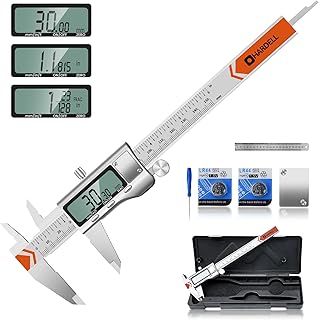
preventing rust and wear in your callipers during storage
Callipers are essential tools in both automotive and engineering fields, providing precise measurement capabilities. However, improper storage can lead to rust and wear, which can compromise their accuracy and lifespan. As we move through 2026, it is crucial to implement effective strategies to ensure your callipers remain in optimal condition, even during long periods of inactivity.
Understanding the causes of rust and wear
Rust forms when metal is exposed to moisture and oxygen, leading to oxidation. Callipers, often made from stainless steel or other metals, are susceptible to this process if stored incorrectly. Wear occurs when moving parts experience friction or contact over time, resulting in degradation. Both of these issues can significantly affect the performance of your callipers.
Cleaning your callipers before storage
Before storing your callipers, thorough cleaning is essential. Start by wiping down the measuring surfaces using a soft cloth to remove dirt, grease, and any contaminants. For stubborn residues, a gentle solvent or isopropyl alcohol can be used. Ensure that all parts, including the slide and locking mechanisms, are free from any debris. After cleaning, dry the callipers completely to prevent moisture build-up.
People Also Look For:
- FortCeremy Digital Vernier Caliper, 150mm Electronic Vernier Caliper with Big LCD Screen, Digital Precision Micrometer Measuring C...
- Positioning Calipers for Precise Measurements & Easy Wood Cutting | Stainless Steel Precision Cutting Guide for Circular Saws | Me...
- Wjelet 2 Pcs Calipers Measuring Tool, Outer Caliper, Inner Caliper, Stainlsee Steel Callipers, Measuring Calipers Used to Measure ...
- Spurtar Vernier Caliper Gauge 0-150mm 0-6" Precision Calipers Measuring Tool Accuracy 0.02mm/0.001" for DIY/Household/Industrial U...
- Kynup Digital Caliper, 150mm Electronic Caliper Measuring Tool, Stainless Steel Vernier Caliper with mm/Inch/Fraction Conversion, ...
Applying protective coatings
One of the most effective methods to prevent rust is to apply a protective coating. A light layer of machine oil or a dedicated anti-corrosion spray can create a barrier against moisture. Use a lint-free cloth to apply the oil evenly on all metal surfaces, including the measuring jaws. Wipe away any excess oil to avoid attracting dust and dirt during storage. This simple step can significantly enhance the longevity of your callipers.
Choosing the right storage environment
Where you store your callipers plays a pivotal role in their preservation. It is advisable to keep them in a cool, dry place with minimal temperature fluctuations. High humidity environments are particularly harmful, as moisture can accelerate rust formation. Consider using silica gel packets within the storage case to absorb any excess humidity. Additionally, storing the callipers in a hard case or foam-lined box can protect them from physical damage and dust accumulation.
Utilising proper storage techniques
When storing callipers, avoid placing heavy items on top of them or storing them in positions where they could be knocked around. Ideally, callipers should be laid flat or placed in a designated compartment within a toolbox or drawer. Make sure the measuring tips do not come into contact with hard surfaces that could cause scratches or misalignment. Keeping callipers in their original packaging can also provide optimal protection.
Regular maintenance checks
Even during periods of storage, it is wise to conduct regular checks on your callipers. At least once every few months, inspect them for any signs of rust or wear. If you notice any changes, take immediate action to clean and reapply protective coatings. Regular handling of the callipers can also keep the mechanisms lubricated, preventing stiffness and ensuring they remain functional when you need them.
Storing callipers with other tools
If you store your callipers alongside other tools, be mindful of the materials they come into contact with. Avoid storing them with tools made from softer metals that could scratch their surfaces. It is best to designate a specific space for your callipers to minimise the risk of accidental damage. Keeping a well-organised toolbox not only protects your tools but also ensures that you can easily find and access your callipers when required.