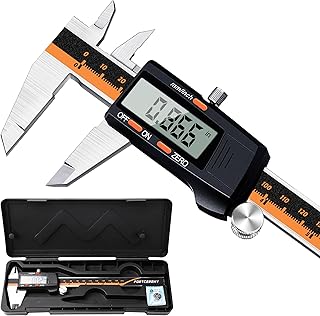
essential calliper techniques for accurate measurements
As a beginner in the world of precision measurement, understanding how to effectively use callipers is vital for achieving accurate results. Callipers are versatile tools used to measure the distance between two opposite sides of an object. They can measure internal dimensions, external dimensions, and depths, making them essential in various fields including engineering and woodworking. Here, we will explore essential techniques to ensure you get the most accurate measurements using callipers.
Understanding Your Callipers
Before diving into measurement techniques, familiarise yourself with the parts of your calliper. The main components include the jaws, scale, depth rod, and locking mechanism. The jaws are responsible for gripping the object being measured, while the scale displays the measurement. The depth rod extends from the back of the calliper and is used for measuring depths. Knowing how each part functions will enhance your measurement accuracy.
Choosing the Right Calliper
Callipers come in various types: vernier, digital, and dial. For beginners, digital callipers are often recommended due to their ease of reading and accuracy. They display measurements on a digital screen, eliminating the potential for reading errors that can occur with vernier or dial types. However, understanding how to read a vernier scale can be beneficial for developing measurement skills.
People Also Look For:
- Spurtar Vernier Caliper Gauge 0-150mm 0-6" Precision Calipers Measuring Tool Accuracy 0.02mm/0.001" for DIY/Household/Industrial U...
- FortCeremy Digital Vernier Caliper, 150mm Electronic Vernier Caliper with Big LCD Screen, Digital Precision Micrometer Measuring C...
- eSynic 150mm Digital Vernier Caliper Stainless Steel Vernier Caliper 6 Inch Electronic Calipers Measuring Tool Support Fractions/I...
- Vodlbov Digital Vernier Caliper 0-150mm / 0-6’’ Electronic Digital Caliper with Extra-Large LCD Screen,Plastic Carbo...
- Neoteck 200mm/8 inch Digital Vernier Caliper and Feeler Gauge Set Stainless Steel Electronic Caliper Fractions/Inch/Metric Convers...
Preparing for Measurement
Prior to taking any measurements, ensure that your callipers are calibrated correctly. A simple calibration can be done by closing the jaws and checking if the reading is zero. If not, adjust your instrument according to the manufacturer’s instructions. Additionally, clean the jaws with a soft cloth to remove any dirt or debris that may affect the accuracy of your measurements.
Measuring External Dimensions
To measure the external dimensions of an object, open the jaws of the calliper and place them around the object. Ensure that the jaws make full contact with the surface and avoid any tilting. Gently close the jaws until they are snug against the object without applying excessive force, which could compress the material. Once you have a solid grip, read the measurement displayed on the scale, ensuring to note whether it is in millimetres or inches.
Measuring Internal Dimensions
When measuring internal dimensions, such as the width of a hole, utilise the smaller jaws of the calliper. Insert the jaws into the opening and spread them apart until they touch the inner edges. Again, ensure that the callipers are perpendicular to the edges for an accurate reading. This technique requires a steady hand, so take your time to avoid miscalculation.
Measuring Depth
To assess the depth of holes or recesses, use the depth rod. Place the calliper’s base flat against the surface surrounding the hole, then gently extend the depth rod into the hole until it touches the bottom. Make sure the calliper remains vertical to prevent inaccurate readings. After ensuring it is properly positioned, read the depth measurement from the scale.
Taking Repeated Measurements
For consistency, it is recommended to take multiple measurements of the same dimension. This practice helps account for any slight variations that may occur due to technique or tool handling. If possible, average the readings from several attempts to enhance accuracy.
Storing and Maintaining Your Callipers
After use, always store your callipers in a protective case to prevent damage. Avoid leaving them exposed to moisture or extreme temperatures, which can affect precision. Regularly clean and inspect your callipers for wear and tear to ensure they remain reliable over time.