common errors when using callipers in engineering projects
Callipers are essential tools in engineering, providing precise measurements for a variety of projects. However, their effectiveness can be compromised by common errors that many engineers encounter. In this article, we will highlight these mistakes and offer practical advice to ensure accurate and reliable measurements in your engineering tasks.
Incorrect Zeroing of Callipers
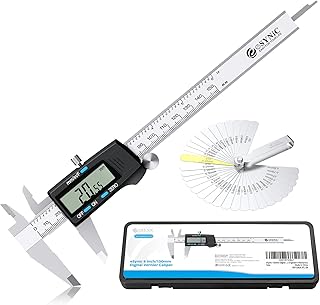
One prevalent error is failing to properly zero the callipers before taking measurements. A calliper may become misaligned or its zero point may shift over time, particularly if it has been dropped or subjected to wear. Before taking any measurement, always ensure that the jaws of the calliper are closed and check the display for a zero reading. If the reading is anything other than zero, recalibrate the calliper to avoid systematic errors in your measurements.
Not Accounting for Parallax Errors
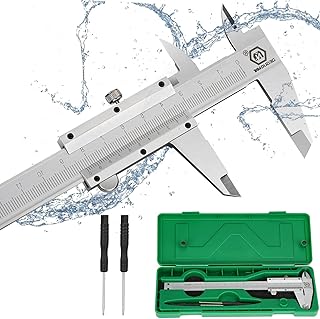
Parallax errors occur when the measurement scale is not viewed directly in line with the reading. This is particularly common with analogue callipers, where the position of the eye can affect the perceived measurement. Always look straight at the scale to minimise this error. For digital callipers, ensure the display is easily visible and that your line of sight is as direct as possible to prevent misreading the data.
People Also Look For:
- Silverline Digital Vernier Caliper 150mm (380244)
- TOPWAY Digital Vernier Caliper 150mm 6 Inch, Large Display Imperial and Metric Units Fraction Conversion Carbon Fiber Electronic C...
- Acual Digital Vernier Caliper, 150mm Caliper Measuring Tool with Large LCD Screen Lightweight Digital Vernier Caliper with Inch/Mi...
- JPXVNY Digital Vernier Caliper, 150mm Caliper with Stainless Steel, Inch Millimeter Fraction Conversion, Measuring Tools Calipers ...
- uxen Electronic Digital Vernier Caliper, 0-150mm/0-6" Carbon Fiber Micrometer with LCD, Inch MM Fraction Conversion, Auto-off Meas...
Inconsistent Pressure Application
Another common mistake is applying inconsistent pressure when using callipers. Excess pressure can deform the jaws or the object being measured, leading to inaccurate readings. Conversely, too little pressure may not provide a secure grip on the part, resulting in slippage. When measuring, apply a steady and moderate force to ensure the jaws do not crush the material but maintain a firm hold. Practising this technique will help you develop a consistent measuring style.
Ignoring Temperature Effects
Materials expand or contract with temperature changes, which can lead to measurement discrepancies. Ignoring these effects can result in errors, particularly in precision engineering where tolerances are tight. Always consider the ambient temperature of your working environment and the thermal properties of the materials you are measuring. If necessary, allow the materials to acclimatise to the measurement conditions before taking readings, or use compensation methods to adjust for temperature variations.
Failing to Maintain Callipers
Neglecting the maintenance of callipers is a common oversight that can lead to deterioration in performance. Dust, debris, and moisture can accumulate on the jaws and scale, affecting accuracy. Regularly clean your callipers with a soft cloth to remove any contaminants. Additionally, store them in a protective case to prevent physical damage and ensure they remain in optimal condition. This routine maintenance will extend the life of your callipers and improve your measurement reliability.
Using Callipers on Improper Surfaces
Using callipers on uneven or unstable surfaces can lead to inaccurate measurements. It is crucial to ensure that the part being measured is resting on a stable, flat surface. If measuring cylindrical objects, use the right technique to ensure that you are measuring at the correct point of contact, where the surface is even. This attention to detail will help you avoid errors that can arise from the geometry of the object or the surface it is on.
Neglecting to Document Measurements
Lastly, failing to document measurements can lead to confusion and errors in engineering projects. Always keep a record of your measurements, including the date, conditions, and any specific techniques used. This documentation will not only help track your progress but also provide valuable reference points for future measurements or audits. Make it a habit to note down every measurement to ensure accuracy and accountability in your engineering work.